

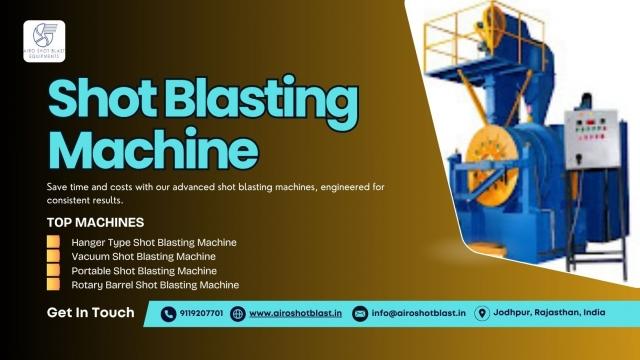
Understanding the Hidden Costs of Shot Blasting Machines for Industrial Buyers
Industrial buyers frequently approach the purchase of a shot blasting machine with a focus on sticker price alone. However, the true financial impact surfaces only when the long-term operational, maintenance, and infrastructural requirements are assessed. We approach this topic with a holistic lens to help buyers understand the total cost of ownership (TCO) of a shot blasting machine—far beyond the cost of acquisition.
Airo Shot Blast Equipments, as a manufacturer and long-term partner to industrial clients, emphasizes the importance of recognizing hidden expenditures early. These costs directly affect profitability, production stability, and operational efficiency. Investing time in understanding them shields companies from budget overruns, unexpected downtimes, and compromised safety conditions.
Long-Term Ownership Expenses in Shot Blasting Systems Beyond the Purchase Price
The purchase price of a shot blasting machine is merely the opening chapter of a long financial narrative. A well-engineered system is an asset, but its lifecycle generates additional, often underestimated expenses. These include recurring abrasive consumption, motor load electricity, wear-part replacements, air filtration costs, and skilled labor for operation.
A high-performance machine, whether portable or fully automated, becomes more cost-intensive if the supporting ecosystem is overlooked. Operational planning must include the cost of consumables, planned downtime, media recovery cycles, and the periodic replacement of liners, blades, impellers, and rubber conveyor belts.
Understanding these factors enables industrial buyers to select equipment that minimizes lifecycle costs, rather than equipment that appears inexpensive initially but becomes burdensome over time.
The Financial Impact of Spare Parts, Consumables, and Abrasive Media
Shot blasting machines operate in an exceptionally abrasive environment. Therefore, consumables represent one of the largest hidden expenses. The following elements must be evaluated:
Abrasive Media Consumption Costs
Different types of shot blasting machines use steel shots, grit, garnet, or other abrasive media depending on surface preparation demands. Media consumption depends on:
-
Blast wheel efficiency
-
Machine sealing
-
Operational pressure
-
Workload frequency
Even minor inefficiencies in recycling systems can result in substantial abrasive loss, increasing operational costs annually.
Wear Part Replacement Costs
High-wear components such as:
-
Blades
-
Control cages
-
Impellers
-
Wheel liners
-
Rubber seals
-
Dust collector filters
are subject to continuous degradation. The annual cost of wear-part replacement often exceeds several thousand dollars depending on operational hours. Buyers who neglect these recurring costs often experience budget constraints shortly after commissioning.
Unexpected Consumable Costs
Occasional but unavoidable consumables include:
-
Safety screens
-
Separator brushes
-
Hopper liners
-
Nozzle replacements (for air blast systems)
These are rarely highlighted at the time of purchase but significantly contribute to long-term expenses.
Also Check - Shot Blasting Machine Manufacturers
Hidden Maintenance Costs in Shot Blasting Machine Operations
Maintenance is not simply a recommended practice; it is a survival mechanism for shot blasting. Without systematic upkeep, machines deteriorate quickly due to abrasive stress.
4.1 Preventive Maintenance Requirements
Preventive maintenance costs include:
-
Scheduled inspections
-
Lubrication
-
Blast wheel alignment
-
Monitoring of media quality
-
Filter cleaning
Preventive measures extend machine life, but they require labor and periodic shutdowns—each carrying financial implications.
4.2 Unexpected Repair Costs and Component Replacements
Although preventive maintenance reduces risks, sudden failures still occur:
-
Motor failures
-
Panel board issues
-
Dust collector malfunction
-
Media leakage
-
Separator blockages
The financial burden of emergency repairs includes:
-
New components
-
Urgent technician visits
-
Extended downtime
-
Loss of production capacity
Companies often underestimate these irregular yet inevitable expenses.
Energy Consumption Costs in Automatic and Portable Shot Blasting Machines
Shot blasting machines consume significant amounts of energy due to:
-
High-capacity blast wheels
-
Dust collectors
-
Air compressors
-
Motors for conveyors, elevators, and rotary systems
Electricity costs vary based on:
-
Daily operational hours
-
Motor efficiency
-
Abrasive flow control
-
Blasting pressure
Energy consumption often ranks as the second-largest hidden cost after abrasive usage. Poorly optimized machines generate inflated energy bills, making energy-efficient components a decisive factor in long-term economics.
Also Check - Shot Blasting Machine Price in India
Cost of Labor, Training, and Operational Expertise
Operating a shot blasting machine is not straightforward, particularly for large industrial systems. Experienced operators are essential for:
-
Adjusting blast patterns
-
Managing abrasive flow
-
Ensuring consistent surface cleanliness
-
Troubleshooting during operation
Companies must account for:
-
Hiring skilled operators
-
Training existing staff
-
Certification for safe operations
Training investment is a hidden yet critical cost that prevents inefficiencies and machine misuse.
Facility, Installation, and Infrastructure Readiness Costs
Infrastructure readiness significantly influences total expenditure.
7.1 Electrical Load Requirements
Shot blasting machines demand substantial electrical load due to:
-
Multiple induction motors
-
Dust extraction units
-
Blast wheel motors
Preparing electrical infrastructure—circuit breakers, panels, wiring, stabilizers—adds unexpected costs.
7.2 Ventilation and Dust Collector Integration
Proper ventilation is indispensable for:
-
Maintaining air quality
-
Reducing fire risks
-
Meeting safety regulations
Dust collectors may require:
-
Ducting extensions
-
External exhaust systems
-
Soundproofing chambers
Each of these requires additional capital investment.
7.3 Floor Space and Structural Modifications
Many companies underestimate the spatial footprint of shot blasting machines. Space-related costs include:
-
Extended floor space
-
Concrete flooring reinforcement
-
Structural supports
-
Material handling pathways
These modifications ensure operational efficiency but add to overall project cost.
See more - https://yashk1047820.stck.me/post/1438686/How-Global-Steel-Prices-Affect-Shot-Blasting-Machine-Costs
Safety, Compliance, and Regulatory Costs for Shot Blasting Plants
Safety compliance is a mandatory cost, not an optional investment. Companies must comply with:
-
Dust emission standards
-
Worker safety regulations
-
Fire safety guidelines
-
Noise regulations
Compliance requires:
-
Periodic safety audits
-
Personal protective equipment
-
Documentation and certifications
-
Emergency control systems
Non-compliance leads to fines, reputational damage, and temporary shutdowns—an often overlooked financial risk.
Downtime, Productivity Losses, and Efficiency-Related Hidden Costs
Downtime costs are among the most damaging hidden expenses in shot blasting operations. Every hour of downtime results in:
-
Production halts
-
Labor inefficiency
-
Missed delivery deadlines
-
Customer dissatisfaction
Downtime arises from:
-
Media recycling issues
-
Wheel imbalance
-
Overloading
-
Improper cleaning cycles
-
Machine overheating
These indirect costs often exceed the machine’s operational expenses, making uptime optimization essential.
Media Recovery, Recycling, and Dust Collector Maintenance Costs
Effective media recovery ensures abrasive is reused optimally. Inefficient recovery results in:
-
Higher consumable costs
-
Increased dust generation
-
Poor blasting performance
The dust collector also requires:
-
Filter replacements
-
Motor maintenance
-
Hopper cleaning
-
Pulse jet system servicing
Dust collector neglect leads to:
-
Energy overconsumption
-
Air quality issues
-
Inefficient abrasive separation
These directly contribute to hidden costs that buyers must factor in.
Technology Upgrade and Automation Integration Costs
Automation, PLC control panels, and advanced sensors enhance efficiency but require:
-
Firmware updates
-
Component upgrades
-
Instrument calibration
-
Periodic software check-ups
Additionally, integrating new automation features into existing systems often introduces compatibility costs.
Comparative Cost Framework to Evaluate Total Cost of Ownership (TCO)
To make informed decisions, companies must evaluate the total cost of ownership using a comprehensive framework:
-
Initial investment: machine + installation
-
Operational costs: abrasive + electricity + labor
-
Maintenance costs: wear parts + repairs
-
Compliance costs: safety + environmental
-
Indirect costs: downtime + productivity losses
-
Upgrade costs: automation + software
Analyzing TCO enables buyers to choose machines offering long-term economic value.
Strategies to Reduce Hidden Costs When Buying a Shot Blaster
Companies can minimize hidden costs by:
-
Selecting wear-resistant components
-
Choosing energy-efficient blast wheels
-
Implementing automated media recovery
-
Investing in training programs
-
Using certified dust collectors
-
Scheduling preventive maintenance
-
Monitoring energy load
-
Ensuring proper installation
These strategies transform the machine into a stable, profitable asset.
Final Thoughts
Hidden costs, when ignored, can turn a well-planned purchase into an operational burden. Airo Shot Blast Equipments encourages buyers to adopt a long-term perspective. Evaluating spare parts, maintenance, energy consumption, compliance, infrastructure, and downtime risks ensures an accurate understanding of total ownership costs. An informed decision secures productivity, safety, and sustained profitability across the machine’s lifecycle.
Frequently Asked Questions (FAQs)
1. What are the biggest hidden costs when buying a shot blasting machine?
The largest hidden costs include abrasive consumption, wear-part replacements, energy consumption, dust collector maintenance, and downtime-related losses.
2. How often do wear parts need replacement?
Wear parts typically require replacement every 3 to 12 months depending on machine type, abrasive used, and operational hours.
3. Why is energy consumption a major cost factor?
Shot blasting machines rely on high-powered motors and dust collectors, making electricity one of the most significant recurring expenses.
4. What infrastructure is required before installing a shot blasting machine?
Adequate electrical load, ventilation systems, floor space, dust collection ducts, and reinforced flooring are usually necessary.
5. Can hidden costs be minimized?
Yes. Proper machine selection, routine maintenance, operator training, and efficient abrasive recycling systems significantly reduce hidden costs.
6. Why does downtime increase the total cost of ownership?
Downtime halts production, delays deliveries, and forces labor inefficiencies, all of which contribute to indirect financial losses.